


What Affiliate Marketing Means in a Directory Website
Affiliate marketing in a directory website involves placing referral links or promotional elements that direct users to third-party services or products. When users take action through those links, such as signing up or making a purchase, the directory owner earns a commission.
Unlike advertising, affiliate monetization is usually performance-based. Revenue depends on user engagement and conversions rather than impressions alone. This makes affiliate marketing especially attractive for directories with highly targeted audiences.
Why Affiliate Monetization Works Well for Directories
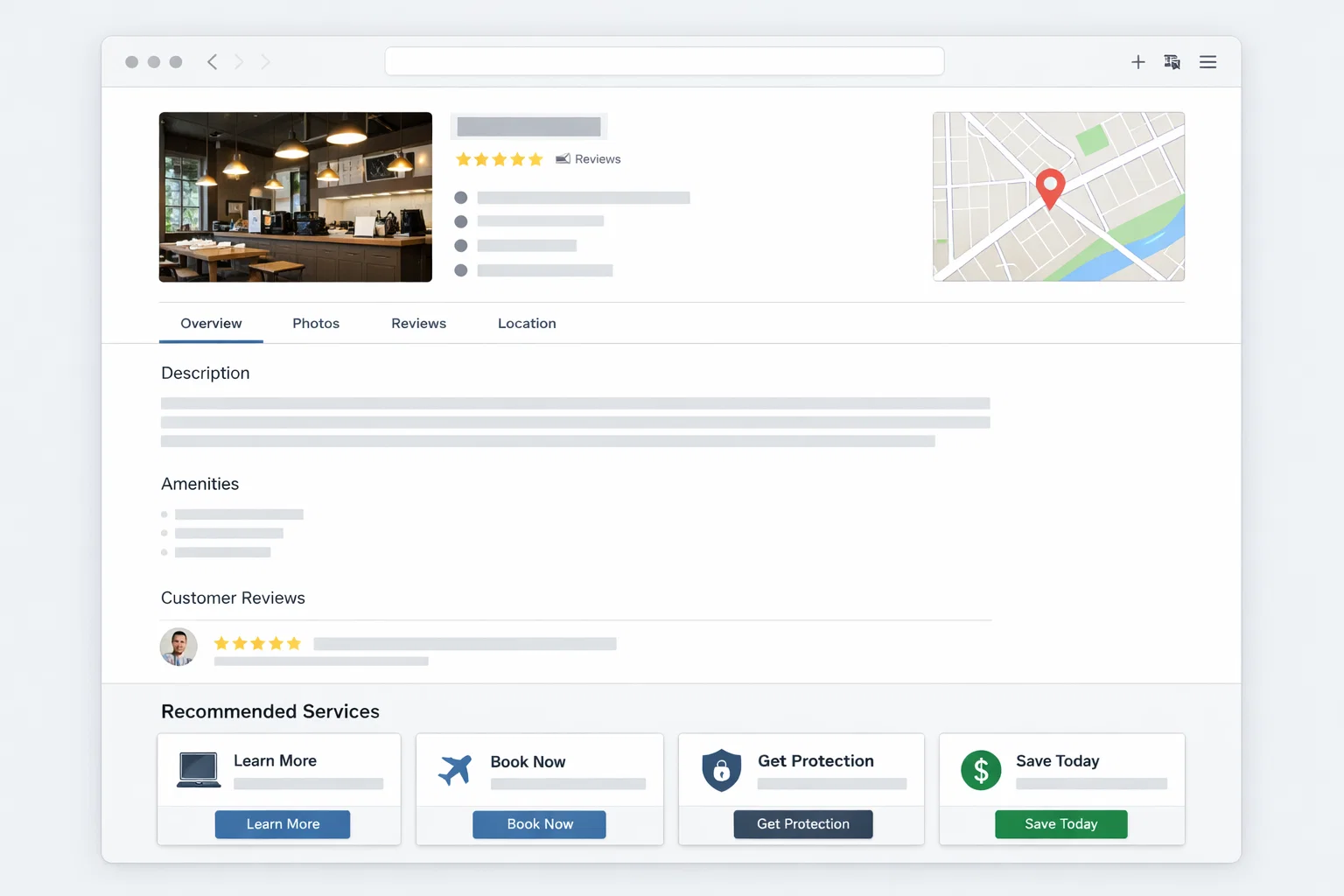
Directory websites are naturally well-positioned for affiliate marketing because users visit them with intent. Whether they are looking for services, tools, accommodations, or experiences, they are already in a discovery mindset.
Affiliate links can feel helpful rather than intrusive when they align with user needs. For directory owners, this means monetization without managing advertisers, payments, or bookings directly.
Common Affiliate Monetization Models
Affiliate monetization can take several forms within a directory website. The best approach depends on what your users are trying to achieve when they visit a listing.
Affiliate Links to External Service Providers
Many directories recommend external service providers that help users complete a task related to a listing. For example, a local services directory might link to call tracking tools, scheduling services, or payment solutions that businesses commonly need after being discovered.
This model works well because the affiliate offer feels like a natural extension of the listing, not a separate promotion.
Affiliate Booking and Reservation Platforms
Directories in travel, events, or experiences often link to third-party booking or reservation platforms. Instead of handling transactions directly, the directory earns a commission when users complete bookings on external platforms.
This approach reduces operational complexity while still monetizing high-intent traffic.
Affiliate Software and Tools
Software-focused or professional directories frequently recommend tools that users or listed businesses already expect to need. These may include productivity tools, marketing platforms, analytics services, or industry-specific software.
Affiliate links in this category perform best when they solve a clear problem related to the directory’s niche.
Affiliate Marketplaces and Product Recommendations
Some directories link to broader marketplaces or product catalogs that complement listings. For example, an equipment directory might recommend marketplaces where users can purchase related products.
This model works best when product recommendations are tightly aligned with listing content and user intent.
Contextual Affiliate Recommendations
In addition to listing pages, affiliate links can appear as contextual recommendations alongside directory content or resource sections. These recommendations should remain optional and clearly separated from organic listings.
The key across all affiliate models is relevance. Affiliate offers should support the directory’s purpose and help users move forward, not distract from the core experience.
Real-World Examples of Affiliate Monetization in Directory Websites
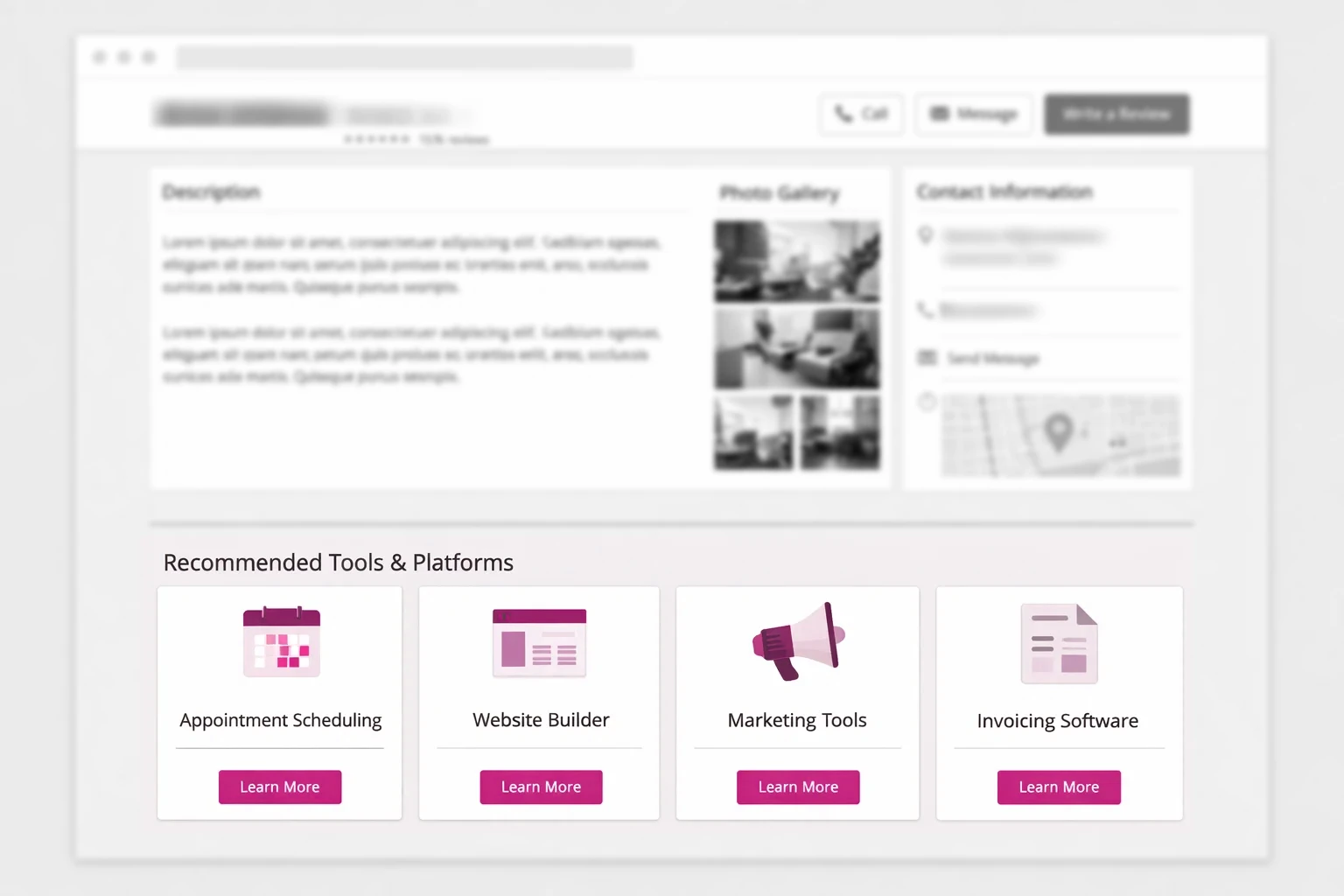
Affiliate monetization is easiest to understand when you look at how it appears in real directory types and user journeys.
A travel directory may recommend external booking platforms for hotels, tours, car rentals, insurance providers, or local experiences. These links appear at the moment users are already planning or comparing options.
A local service directory might recommend scheduling tools, call tracking services, invoicing platforms, or business software that helps providers respond faster after being discovered.
A software or tools directory may recommend premium versions of listed tools, training courses, add-ons, or complementary integrations that users typically need next.
In all of these cases, affiliate links act as helpful extensions of the directory rather than unrelated promotions. The recommendation works because it helps users complete their goal at a natural decision point, which improves both trust and conversion potential.
How Affiliate Monetization Becomes a Revenue Channel
Affiliate revenue is generated when users take meaningful actions through referral links. This may include purchases, subscriptions, sign-ups, or other predefined conversions.
Because revenue depends on user behavior, affiliate monetization rewards directories that provide high-quality listings, clear navigation, and trustworthy recommendations. It is often a long-term strategy rather than an immediate revenue source.
A practical way to think about affiliate monetization is this. You are not selling attention like ads. You are not selling access like paid submissions. You are earning when your directory genuinely helps users take the next step.
Where Affiliate Links Work Best in a Directory Website

Affiliate links perform best when they are placed at moments where users are already evaluating options and considering next steps.
On listing detail pages, affiliate links can appear as optional actions that help users complete a task, such as booking, purchasing, comparing, or signing up for a related service. This placement works well because users are already focused on a specific decision.
Alongside directory results, affiliate recommendations should be used carefully and remain clearly separated from organic listings. In this context, they can act as guided suggestions for users who are browsing and open to recommendations.
In resource or guide content, affiliate links can be framed as recommended tools, services, or partners. This approach performs well for content-driven directories, where users trust editorial context more than generic promotions.
Affiliate links are less effective when scattered randomly or placed aggressively across pages without relevance. The common rule is simple: if a user would reasonably ask for the link at that moment, it is usually a safe and effective placement.
Affiliate revenue is generated when users take meaningful actions through referral links, such as purchases, subscriptions, sign-ups, or other predefined conversions. Because revenue depends on user behavior, affiliate monetization rewards directories that provide high-quality content, clear navigation, and trustworthy recommendations, and it is often a long-term strategy rather than an immediate revenue source.
How Listdom Supports Affiliate-Based Monetization

Listdom provides flexible tools that make it easier to add affiliate monetization without forcing rigid layouts or disrupting the directory experience.
Using Listdom custom fields, directory owners can attach affiliate links, referral URLs, or partner information directly to listings. This allows affiliate content to remain structured, reusable, and tied to specific listing data rather than being hardcoded into content.
Listdom’s template builder adds another layer of flexibility. It allows directory owners to control where and how affiliate elements appear within listing cards and single listing pages. Affiliate links, buttons, notices, or disclosures can be placed alongside other listing elements in a consistent and intentional way.
Because the template system supports dynamic content and shortcodes, affiliate elements can be shown conditionally or combined with other listing features. This makes it possible to integrate affiliate recommendations naturally, without turning listings into advertisements.
All configuration and technical implementation details are covered in the official documentation. This article focuses on understanding how Listdom’s structure supports affiliate monetization conceptually, while leaving setup specifics to the documentation.
Performance Expectations and Long-Term Value
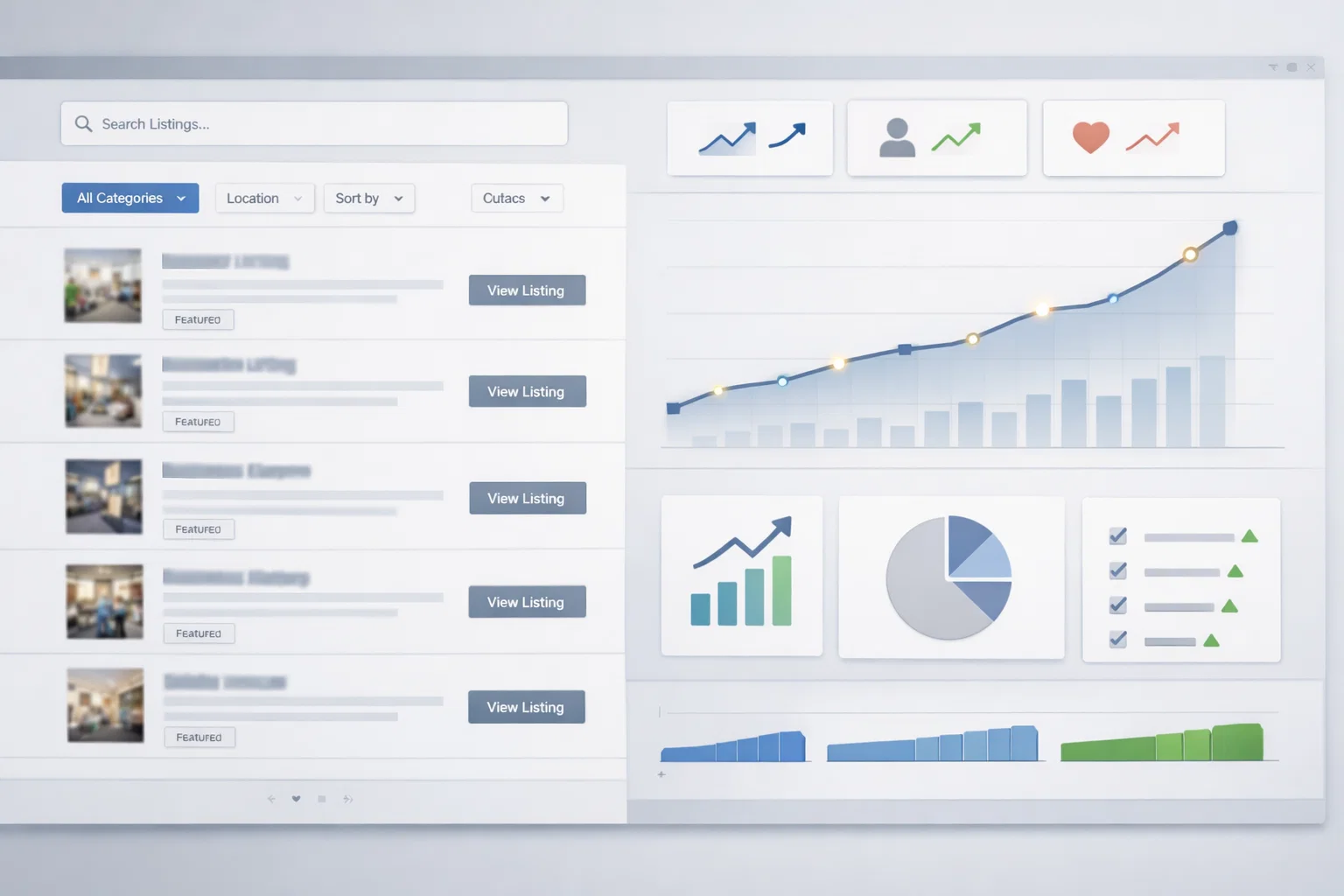
Affiliate monetization often grows gradually. Many directory owners expect affiliate income to appear immediately, but in practice it usually depends on three factors.
First is relevance. If the affiliate offer solves a real problem for your directory audience, conversions are more likely. Second is trust. Users are far more likely to click and convert when your directory feels neutral, accurate, and genuinely useful. Third is intent. Affiliate monetization performs best when visitors arrive ready to take action, not when they are casually browsing.
This is why affiliate monetization can be powerful for niche directories. Even with modest traffic, a focused audience can convert well when recommendations match what users already need.
When Affiliate Monetization Works Best
Affiliate monetization works best for directories with a clear niche and focused audience.
Directories that benefit most include:
- Niche professional directories
- Software or tool-focused directories
- Travel and experience directories
- Content-rich directories with guides or resources
Directories with broad or undefined audiences may struggle to generate meaningful affiliate revenue.
Combining Affiliate Monetization with Other Methods
Affiliate marketing rarely works best on its own.
It is most effective when combined with:
- Advertising and sponsored content
- Featured listings or priority placement
- Booking or reservation monetization
This layered approach allows directory owners to monetize different types of user intent without relying on a single revenue source.
Common Affiliate Monetization Mistakes
One common mistake is promoting affiliate products that are not closely related to the directory’s niche. Irrelevant recommendations reduce trust and rarely convert.
Another mistake is overusing affiliate links. Excessive linking can overwhelm users and make the directory feel sales-driven rather than helpful.
A third mistake is hiding affiliate intent. Transparency matters. When users feel misled, affiliate monetization usually declines over time.
The safest approach is to keep affiliate recommendations selective, clearly disclosed, and tightly aligned with user intent.
Managing Trust and Transparency
Trust is essential for successful affiliate monetization.
Users should clearly understand when a recommendation is affiliate-based. Overusing affiliate links or promoting irrelevant products can damage credibility.
Clear disclosure, careful placement, and genuine relevance help maintain trust while still allowing monetization.
When Affiliate Monetization Is Not the Right Choice
Affiliate monetization may not be suitable for directories where neutrality and independence are critical. In sensitive professional or community-focused directories, affiliate recommendations may raise concerns about bias.
Directories with very low traffic or unclear audience intent may also struggle to generate meaningful affiliate revenue.
Understanding these limitations helps directory owners choose monetization methods more effectively.
What to Do Next
If affiliate monetization aligns with your directory goals, the next step is to review the official Listdom documentation and determine where affiliate content fits best within your directory structure.
To understand how affiliate monetization fits into a complete strategy, review the main monetization guide:
https://listdom.net/blog/how-to-monetize-a-directory-listing-website/
If you have any questions or need help, you can contact Listdom support.
Frequently Asked Questions
-
Can affiliate links be added to listing pages?
Yes. Affiliate links can be placed within listing pages or alongside directory content, depending on your strategy.
-
Does affiliate monetization require high traffic?
Affiliate monetization performs best with targeted traffic, even if overall volume is not very high.
-
Should affiliate links be disclosed?
Yes. Clear disclosure helps maintain trust and transparency.
-
Can affiliate monetization replace other methods?
No. Affiliate monetization works best as part of a broader monetization mix.
-
Where should affiliate links be placed in a directory website?
On listing detail pages and resource content usually perform best because they match user intent. Keep placement selective and relevant.
-
How much traffic do I need for affiliate revenue?
Targeted traffic matters more than volume. A niche directory can perform well with modest traffic if trust and relevance are strong.
-
Can affiliate links reduce trust?
Yes, if overused or irrelevant. Clear disclosure and strict relevance protect credibility.
-
How is affiliate monetization different from ads?
Ads sell visibility (impressions). Affiliate monetization earns from actions (conversions). Many directories use both.
-
What is the biggest mistake directory owners make with affiliate marketing?
Promoting irrelevant offers for higher commissions. It hurts trust and lowers long-term earnings.
Final Thoughts
Affiliate monetization offers a flexible and low-friction way to generate revenue from a directory website. When aligned with user intent and implemented transparently, it can complement other monetization methods and support sustainable growth over time.


